History / Maker entry001
Horipro's own DK-96 pages describe a built, not performed, idol
Archived Horipro pages, not fan lore, are the surviving record of the DK-96 virtual idol project.
1997 report
3 min readRead entry ↗
Retrospective maker entries / 100 entries
Rigging tools, streaming stacks, agency records, platform features and the older precedents behind VTubing, each read for the setup, the craft and how the creator stays in control.
Historical event dates and source dates are separate from the preparation date of this local edition. Every entry is a retrospective draft prepared 16 September 2026; none was published on its historical date.
100 entries
Archived Horipro pages, not fan lore, are the surviving record of the DK-96 virtual idol project.
Crypton Future Media's own materials date the vocal-synthesizer release, distinct from Miku's later concert and meme culture.
YouTube's channel metadata and the creator's official site are the clearest dated records of this early CG vlogger persona.
Kizuna AI Inc.'s official biography documents the channel's launch date and its own self-described 'world's first' claim.
Cover Corp's own company page ties its June 2016 founding to a first VTuber debut in September 2017.
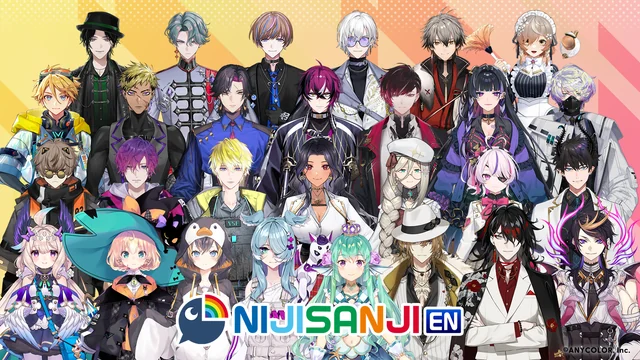
Ichikara Inc.'s own archived pages and later corporate materials date Nijisanji's 2018 launch and its path to ANYCOLOR.
The platform's own archived homepage records its 13 April 2018 release, months before a dedicated operating company existed.
The earliest archived VShojo homepage lists its founders, a talent-first mission, and a pending launch video.
The company's own May 2021 rebrand notice names its former identity as Ichikara, not any other prior name.
Kizuna AI Inc.'s official history documents a stated hiatus, a new producing company, and an exact return date.
Pixiv's own VRoid Studio pages describe a free 3D modeling workflow that exports to VRM with per-model license terms the creator sets.
VRoid Hub's own permission-settings and buying-guide documentation set who may reuse, redistribute or sell a published avatar.
The official Cubism Editor manual documents a fixed pipeline from PSD layers to meshes, deformers and parameters, not one version's feature list.
Live2D's own SDK release-license page sets a free development tier and a paid tier keyed to a stated annual sales threshold.
nizima's own guide states a purchased illustration or Live2D model carries a usage license covering VTuber activity.
The official wiki documents a WebSocket plugin API that can drive parameters and hotkeys but is explicitly barred from webcam or personal data access.
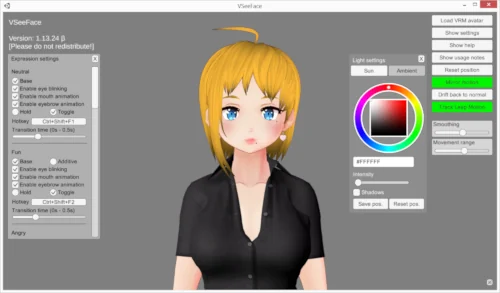
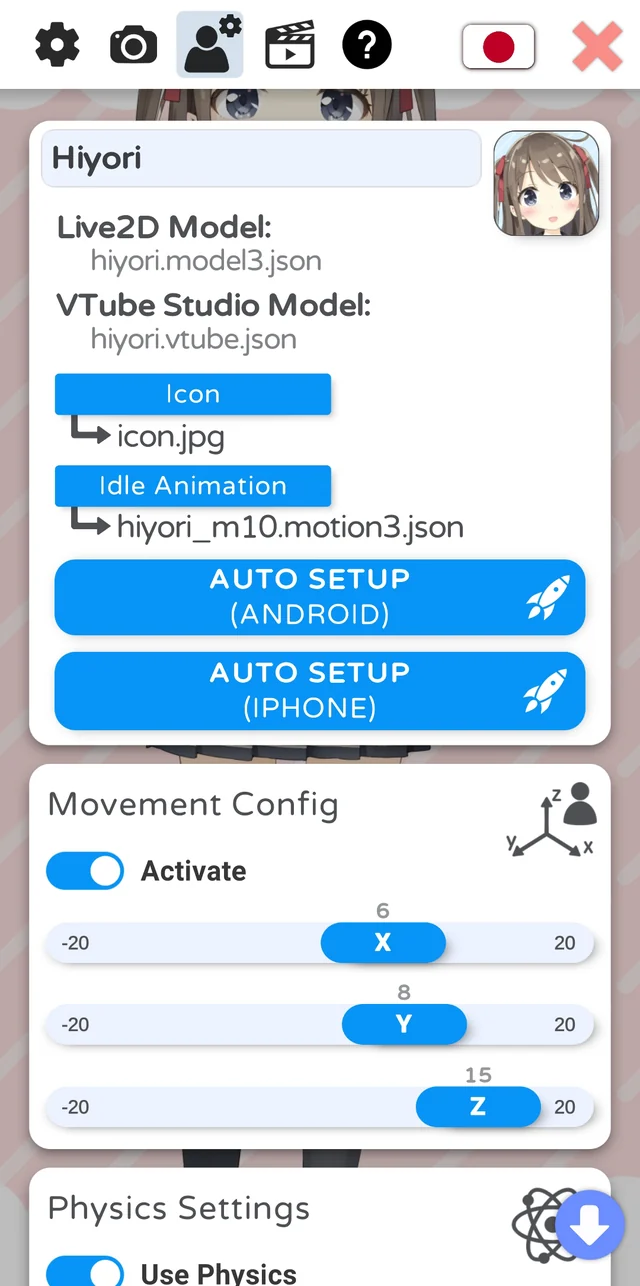
VSeeFace's own manual defines perfect sync as all 52 ARKit blendshapes, a set VTube Studio documents sending from its iPhone tracker.
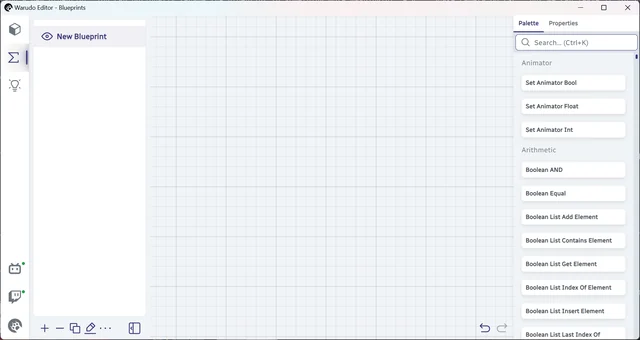
Warudo's own handbook documents a visual blueprint system and a free-for-personal-use license distinct from Live2D-based rigging tools.
PLUSPLUS Co.'s own site documents 3tene's VRM and Live2D support and a usage policy separating free, personal and business licenses.
LuppetX's own documentation records a free webcam-and-Leap-Motion pipeline and a company-dissolution notice ending paid support in October 2026.
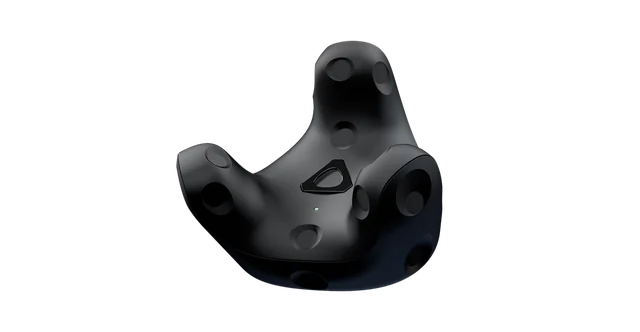
HTC's own product pages define what the current Vive Tracker supports, not third-party accuracy claims.
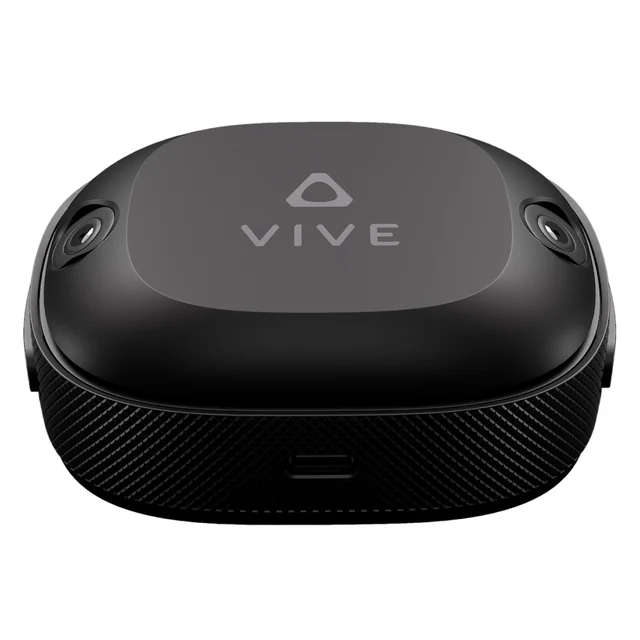
HTC's own blog and contemporaneous reporting place the base-station-free tracker's debut in late 2023.
The Verge's 2021 report and HTC's current documentation together trace this camera-based lip and jaw tracker.
Rokoko's product and support documentation together give the suit's sensor count, export formats, and setup steps.
Xsens's own product page documents a tiered inertial suit lineup and confirms the Movella-to-Xsens domain redirect.
Noitom's own site states the Perception Neuron 3 suit's sensor count and its wired PN Link alternative.
Ultraleap's product and developer sites together define the Leap Motion Controller 2's range, engines, and licensing.
Apple's developer documentation, not any tracking app, sets the 52 named blend-shape coefficients and their 0.0-1.0 range.
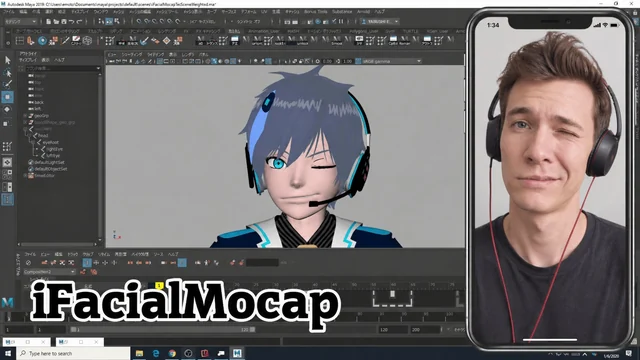
DevelopW LLC's own site distinguishes a free and paid iOS app from two separate desktop receivers.
Google's own documentation shows Face Landmarker outputs 52 blendshape scores, the same count ARKit defines.
OBS Project's own knowledge base defines how scenes, sources and capture types combine to build a VTuber's broadcast frame.
GitHub release notes date OBS's premultiplied alpha and multitrack streaming additions to March and July 2024.
The project's own GitHub repository documents its 2024 rename and what its NDI source, output and filter features do.
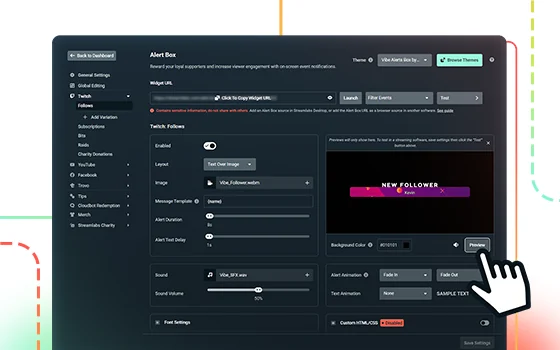
The company's own site and widget repository describe an OBS browser-source plugin and a documented four-file widget format.
Streamlabs' own help pages document a separate broadcast app, its scene collections, and a plugin bridge back into base OBS.
Twitch's developer docs define Extension types, sandboxing, and the review rules before one reaches a channel.
A 2021 launch post and a current FAQ both document the moderator, speaker and audience roles in Stage channels.
Elgato's own SDK and Marketplace docs define plugin IDs, device key counts, and where a shared profile can fail.
The project's own docs describe WebRTC PUSH and VIEW links, an AGPL license, and a stated minimum user age of 16.
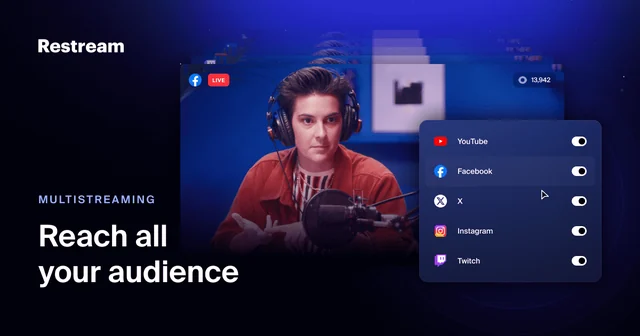
Restream's pricing and product pages document channel counts per tier and a stated delay under two seconds.
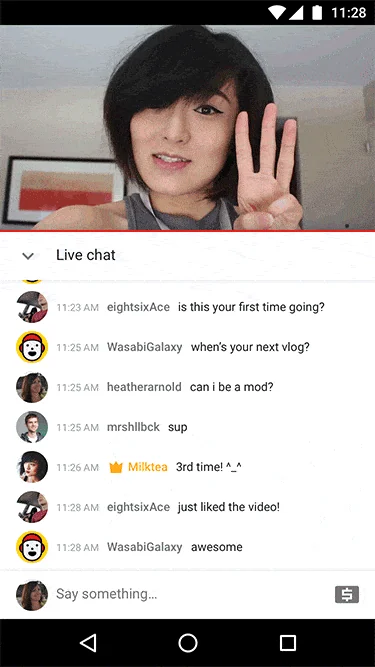
YouTube's own support pages define Super Chat and Super Stickers eligibility and mechanics without promising creators a fixed income.
YouTube's help center defines channel memberships as monthly, perk-based payments bound by strict content rules, not a flat creator wage.
Twitch's official partner page sets subscription price points and a fixed one-cent-per-Bit share, distinct from a streamer's full take-home.
Twitch's own announcement sets Partner Plus's 350-subscriber qualifying bar, its 70/30 split, and its 1 October 2023 start date.
Twitch's own 2023 documentation defines Content Classification Labels and states plainly that using them does not change stream discoverability.
YouTube's own 2024 policy requires disclosure only for realistic altered or synthetic content, explicitly excluding animation and voice cloning.
Patreon's own help pages document a new standard 10% platform fee, legacy plans as low as 5%, and exact per-payment processing rates.
Pixiv Fanbox's own help pages fix a 10% fee for all-ages content and 12.9% for R-18 content, a different mechanic from Patreon's flat rate.
Discord's own terms set a 10% platform fee, a 6% desktop processing fee, and steeper mobile-store fees for Server Subscriptions.
YouTube's own 2021 announcement documents Super Thanks as a one-time, per-video tip separate from Super Chat's live-only reach.
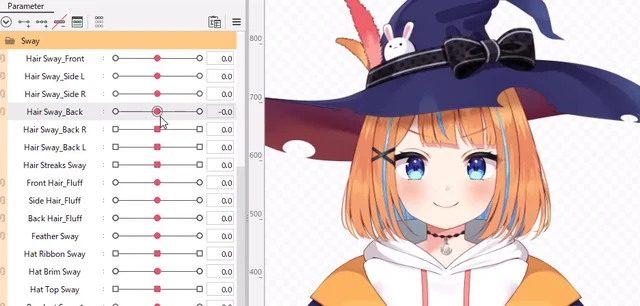
Cubism's own manual treats physics as an input-output pendulum chain tuned by a rigger, not an animation trick.
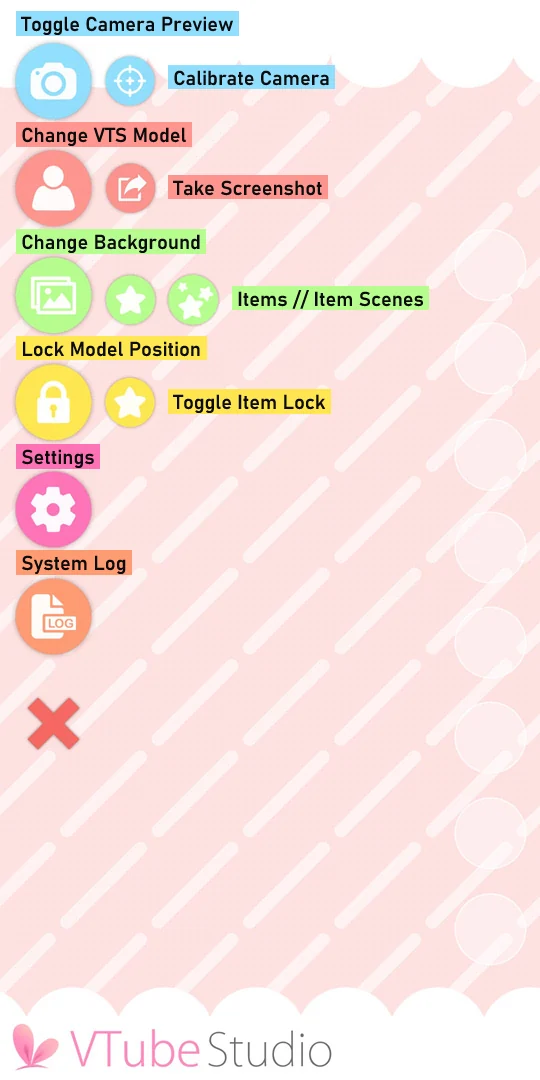
The app's own wiki lists two trigger methods and every action a hotkey can fire during a live show.
Apple defines the coefficients; a receiving app's own documentation defines which of them it actually reads.
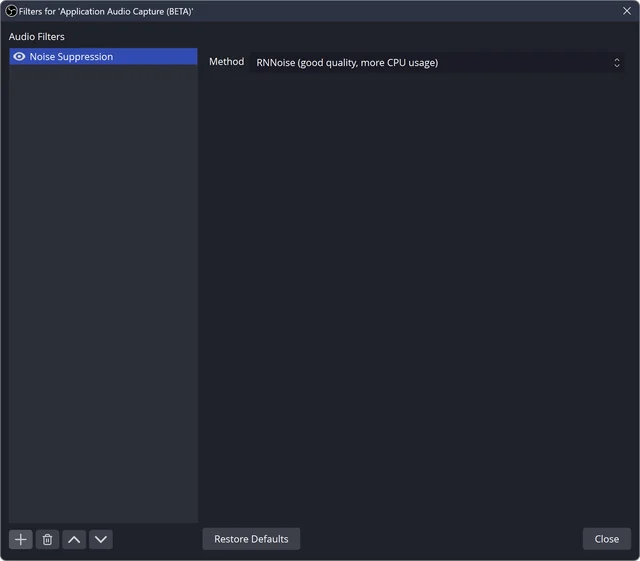
Default thresholds and gain values in OBS's own filter docs, not ear alone, set where each filter sits.
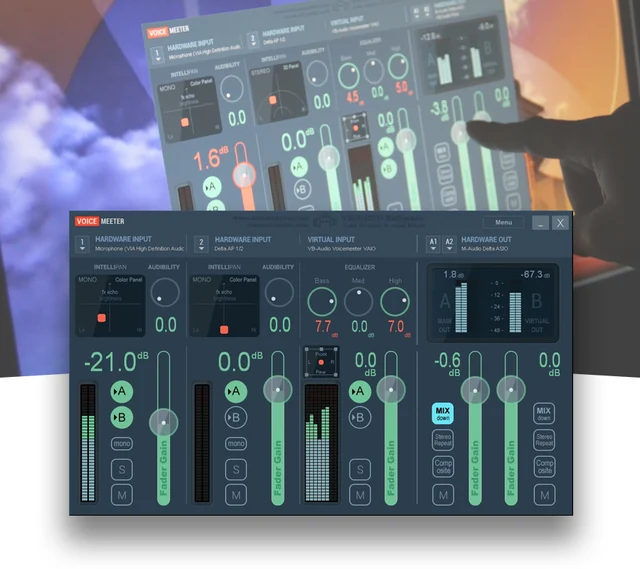
VB-Audio's own documentation describes bus-based routing that keeps a monitor mix distinct from a stream mix.
nizima LIVE's own documentation describes webcam or iPhone tracking inside Live2D's own performance app.
The app's own wiki gives one calibration path and names lighting and interference as separate failure modes.
The documented optimisation settings name resolution, environment complexity and GPU priority as the levers that matter.
Cubism's own manual documents a six-shape audio pipeline with settings a rigger tunes before performance.
Cover Corp's investor-relations page and securities report both fix the Hololive parent's Tokyo listing at 27 March 2023.
ANYCOLOR's investor FAQ and management message fix Nijisanji's parent's Growth Market debut before its move to Prime Market.
Cover Corp's 8th-year securities report discloses FY2024 net sales of ¥30,166 million across streaming, events, goods and licensing.
ANYCOLOR's own securities report for the year to April 2026 discloses revenue, profit and a single-segment structure.
VShojo's company page and FAQ describe autonomy and kept IP rather than naming a specific legal employment status.
Cover Corp's announcement names four debuting talents and June 2024 stream dates, a year later than a common shorthand.
Cover Corp's own press release and PDF name Risu, Moona and Iofifteen as hololive Indonesia's founding members.
ANYCOLOR's service page and talent database both fix NIJISANJI EN's debut a year later than a common shorthand.
Phase Connect's dated pages, not a stated founding-day announcement, place its start in mid-2021 outside the largest agencies.
ANYCOLOR's filing folds IP licensing into a wider Promotion figure, while Cover Corp discloses licensing as its own line.
COVER Corporation's own FAQ states what happens to fan mail after a hololive talent graduates, and little else.
The company's own June 2021 announcement sets a wind-down timeline for one hololive talent without stating a cause.
COVER's fiscal 2025 annual securities report keeps VTuber popularity and activity continuity as a named business risk.
The company's published risk-factor translation lists reliance on individual Livers as a named, rated business risk.
ANYCOLOR's audition site sets published age, exclusivity and process requirements for prospective NIJISANJI EN talent.
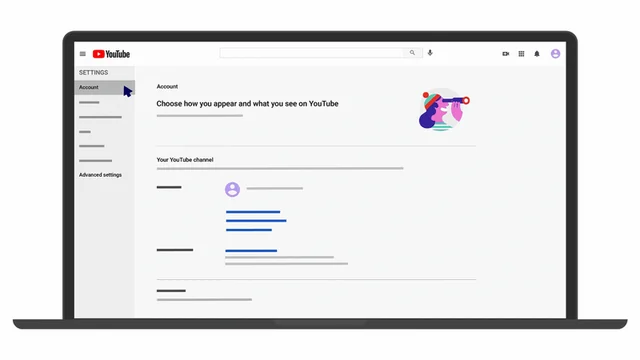
Google's own help pages set the mechanics and limits for changing who owns or manages a YouTube channel.
Twitch's Terms of Service and Monetized Streamer Agreement both forbid moving an account or its status to someone else.
YouTube's own help pages set exact timelines for memberships and Super Chat when a channel loses monetization.
Cover Corp's own Derivative Works Guidelines define what fan art, clips and games may do with hololive characters without asking first.
ANYCOLOR's own Guidelines for Secondary Creation define permitted derivative works, sales limits and clip rules for Nijisanji talents.
Crypton Future Media's licensing pages define what non-commercial Hatsune Miku fan art may do, distinct from informal fan practice.
YouTube's 2024 synthetic-content policy requires prominent labels for photorealistic AI content, not for animated avatars as such.
DenchiSoft's privacy page states VTube Studio collects no user data and keeps face-tracking data off its servers except on the local network.
Streamlabs' own help documentation treats the Widget URL as a private credential and lets a moderator screen alerts before they display.
Twitch's own 2020 posts describe a Safety Advisory Council that informs policy but has no role in individual moderation decisions.
Cover Corp's harassment policy and ANYCOLOR's sustainability disclosures both state protective measures for talents, without naming any individual.
YouTube's own help pages distinguish automated Content ID claims from the legal DMCA removal-request and strike process.
Zaiko's own site describes ticket types, fee choices and access controls behind the paid livestreams many VTuber agencies use.
Cover Corp's own after-screening event page states ticket prices, four screening dates and a ban on unauthorized resale.
Two official Nijisanji event pages publish seat-tier prices, caps and a multi-phase lottery schedule ahead of general sale.
YouTube's help pages document live-stream basics, a members-only restriction and Premieres, but no native paid single-event ticket.
YouTube's own pages show Super Chat serves live streams and Premieres while Super Thanks was built for uploaded video instead.
Discord's own FAQ ties emoji slots, audio quality and video limits to how many Boosts a community collectively buys.
Twitch's help article and its own terms show a 60-second Clip keeps circulating under a license the broadcaster cannot fully revoke.
YouTube's help pages describe text, image, poll, quiz and video posts, and cap how many a channel can publish per day.
Restream's own tables show only four destinations can receive a relayed comment, and three receive none at all.
COVER's Derivative Works Guidelines set one rulebook for hololive content, with no separate clause for former talent.
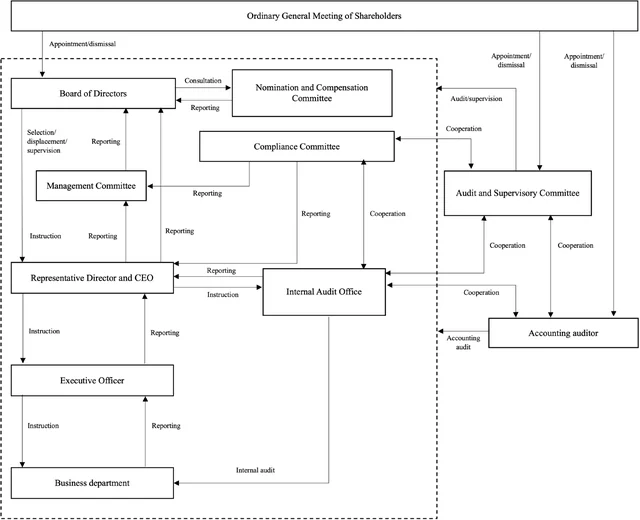
The company's own governance guidelines set a board-approval bar for any related-party transaction.
Twitch's Hateful Conduct and Harassment Policy protects streamers by identity characteristics, regardless of whether a channel shows a face or an avatar.
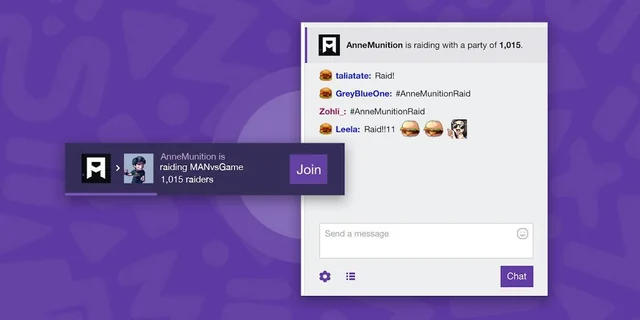
Twitch's help article and a 2017 blog post show Raids evolved from a fan habit into a built-in, moderated handoff tool.
YouTube's help pages document Premiere scheduling, countdowns, eligible trailers and the monetization tools built around one launch.
Try another category or clear your search.