The setup
ANYCOLOR Inc. publishes its Corporate Governance Guidelines as a standalone Japanese-language PDF, linked directly from the English-language Corporate Governance page on its investor-relations site. The guidelines record their own revision history on the final page: established 12 June 2024, revised 11 June 2025, and revised again 22 July 2026, making this the version in force as retrieved on 16 September 2026. This internal governance charter sits alongside, and is more detailed than, the general description of board structure given on the English governance page itself.
What the documents show
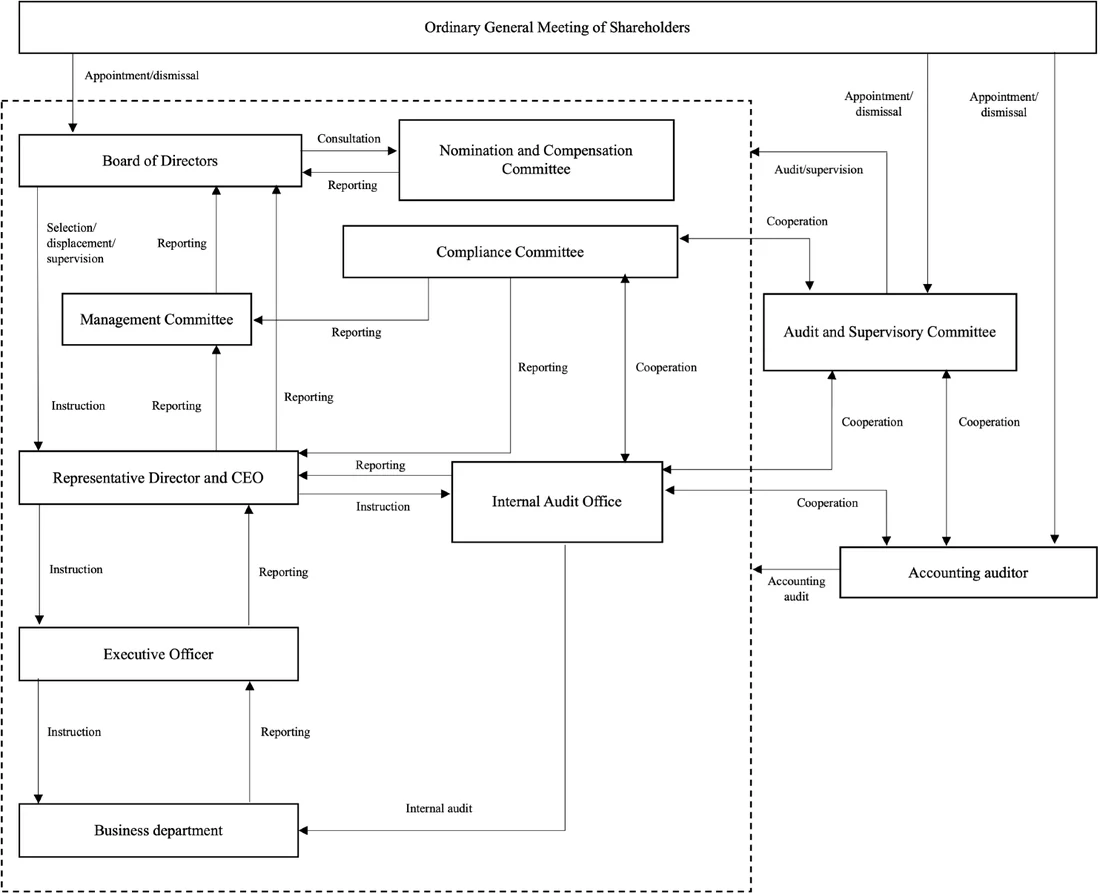
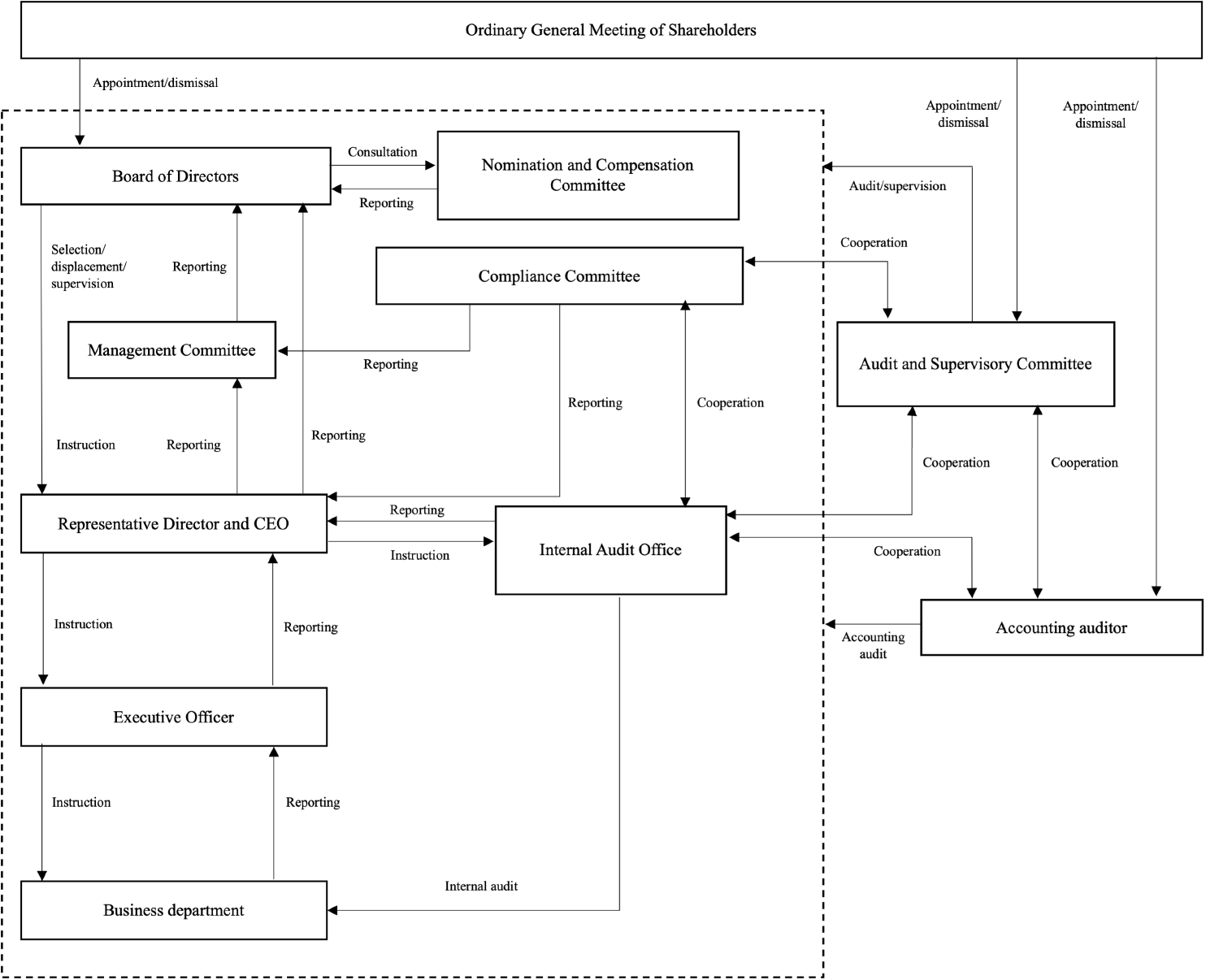
Article 9 states the company will work to prevent officers or other insiders from abusing their position to conduct transactions contrary to the interests of the company or its shareholders, or transactions lacking necessity or rationality. Article 10, titled related-party transactions, sets the company's basic policy: it will not undertake a related-party transaction unless the transaction itself has business rationality and its terms are confirmed reasonable, meaning equivalent to terms available from other counterparties, in a way that does not harm the company's interests. The same article requires that, given the sensitivity of related-party dealings, any such transaction receive appropriate sign-off, such as a board resolution, under the company's internal approval rules before it proceeds. The English governance page separately confirms the guidelines can be amended only by board resolution.
The craft
For a company whose founder remains its chief executive, and whose IP, merchandising and talent-management functions could plausibly involve affiliated parties, a written pre-clearance requirement is the practical mechanism that turns a governance principle into an actual checkpoint: a transaction cannot proceed on an executive's say-so alone, because the guidelines route it through board approval first.
Keeping the creator in control
This is an editorial reading: the policy governs the company's own transactions with related parties, such as executives, major shareholders or affiliated entities, and says nothing directly about a Liver's individual contract terms. Its relevance to a creator is indirect but real, since a governance framework that requires board sign-off on insider dealing is one factor in whether the company managing a creator's IP and income is operating under enforceable internal checks, rather than at one person's discretion.
- Does a company managing your work or your character publish a specific, dated related-party transaction policy, or only a general governance statement?
- What approval step, if any, does that policy require before an insider transaction can proceed?
- When was the policy last revised, and is that revision date published anywhere on the company's site?
Read narrowly, the guidelines show a specific, board-gated approval requirement for related-party dealing, current as of a July 2026 revision, rather than a vague commitment to fairness in general terms.
Sources & reading trail
States Article 9 and Article 10 governing prevention of transactions against shareholder interests and the board-approval requirement for related-party transactions, with a revision history dated to 22 July 2026.
Source published: Not established · Retrieved: 16 September 2026
English-language description of board structure, confirming the guidelines are approved and amended only by board resolution.
Source published: Not established · Retrieved: 16 September 2026
Documentation, agency filings and platform records establish the entry; the craft reading is VTubing editorial analysis. This retrospective draft does not imply the site published on the event date.