The setup
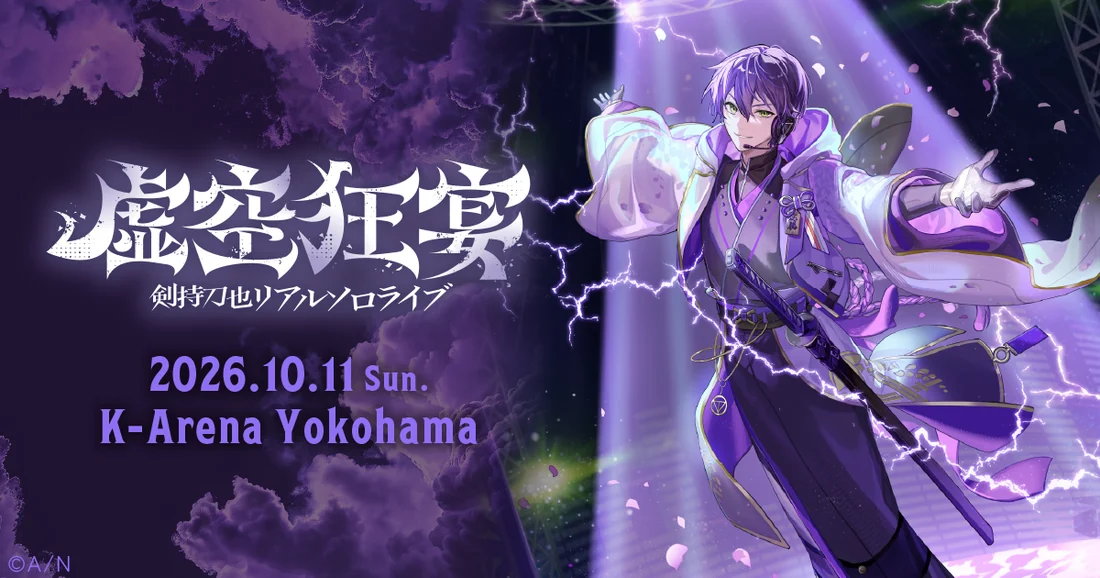
ANYCOLOR runs Nijisanji, and like Cover Corp's hololive it stages large ticketed concerts for individual talents and multi-member units. Rather than one branded festival page, the company publishes a dedicated microsite per show. Two examples retrieved on 16 September 2026, Kenmochi Toya's solo live page and VOLTACTION's second live page, document the same ticketing pattern the company uses across its largest shows, though neither is the multi-talent NIJISANJI FES festival brand specifically.
What the documents show
Both pages state two physical seat tiers priced within a few hundred yen of each other: Kenmochi Toya's show lists an S seat at 15,500 yen and an A seat at 12,000 yen, while VOLTACTION's lists an S seat at 15,500 yen and an A seat at 13,500 yen, both capped at two tickets per person. Kenmochi's page adds a separate theater live-viewing ticket at 6,500 yen for fans who cannot attend the venue, sold through its own presale lottery. Both pages run near-identical sales structures: a purchase-linked serial-code lottery tied to an album release, then a general fan-club lottery, then an e-plus lottery, then first-come general sale, each phase with an open and close time published to the minute.
The craft
Staggering four separate sales phases before general sale is a deliberate demand-management tool: it rewards a fan who already bought the associated album or joined the fan club with an earlier shot at a seat, while still reserving a first-come phase for everyone else. Pairing a cheaper live-viewing ticket with the venue ticket, as Kenmochi's page does, lets a production sell the same performance twice, to two audiences with different budgets and different tolerance for travel, without staging a second show.
Keeping the creator in control
Publishing exact prices, purchase caps and lottery windows before a single ticket is sold is itself a form of fan protection: it gives a supporter a fixed target to plan around rather than a floating price discovered at checkout, and a purchase cap that limits any one buyer's ability to corner tickets for resale. This is an editorial reading beyond what either page states outright, since neither page frames its own structure as a fan-protection measure.
- Does a show's live-viewing option meaningfully substitute for a venue seat, or is it a lesser product at a lower price?
- Who benefits most from a multi-phase lottery: the fan-club member, the album buyer, or the first-come buyer?
- What happens to a fan's access if a listed phase sells out before general sale even opens?
Neither page claims to be the company's single flagship event, and this entry does not either; what they document is a repeatable, disclosed ticketing template ANYCOLOR applies whether the show is a solo live or a four-member unit concert.
Sources & reading trail
States seat-tier prices (S 15,500 yen, A 12,000 yen), a theater live-viewing ticket at 6,500 yen, and the four-phase lottery-then-general-sale schedule, as published.
Source published: Not established · Retrieved: 16 September 2026
States seat-tier prices (S 15,500 yen, A 13,500 yen) and a four-phase presale lottery schedule for a four-member Nijisanji unit concert, as published.
Source published: Not established · Retrieved: 16 September 2026
Documentation, agency filings and platform records establish the entry; the craft reading is VTubing editorial analysis. This retrospective draft does not imply the site published on the event date.