The setup
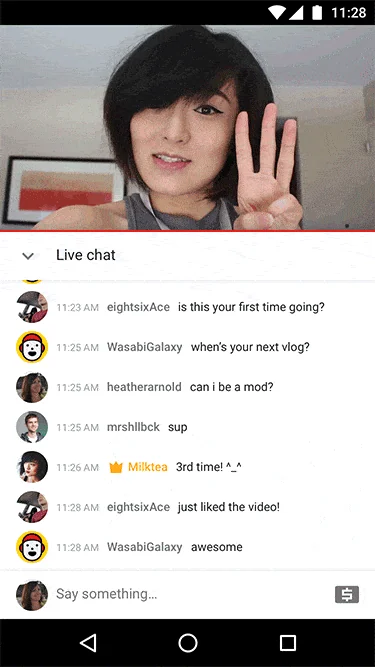
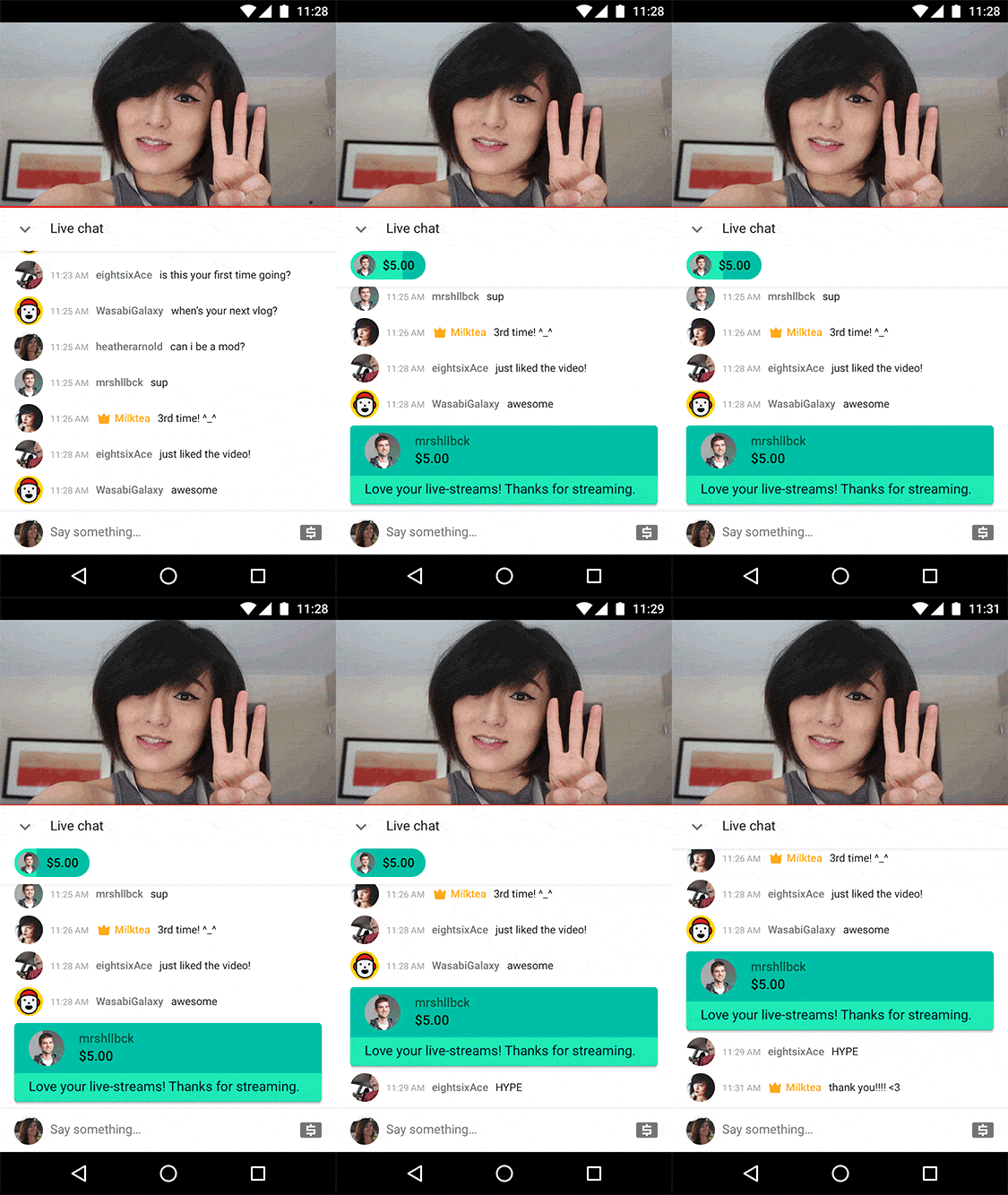
Super Chat is a paid, highlighted message a viewer can send during a YouTube live stream or Premiere; Super Stickers is the same idea using an animated image. YouTube announced the feature in a 12 January 2017 post by product manager Barbara Macdonald on the official YouTube Blog, describing a beta with a handful of creators ahead of a broad rollout on 31 January 2017 to creators in 20 countries and viewers in more than 40. That launch retired an older tool, Fan Funding, which the same post says had been running since 2014 but 'never achieved widespread usage outside of live streams.'
What the documents show
Nearly a decade later, YouTube's current eligibility and policy page describes a stricter gate than the 2017 beta: a channel must first clear the baseline requirements set out in YouTube's Commerce Products monetization policies, which apply to every fan-funding feature. Those baseline requirements are enrollment in the YouTube Partner Program, a minimum age of 18, and residency in a country where the specific feature is offered. Neither page discloses a revenue-split percentage between YouTube and the creator. What the eligibility page does state is narrower: if a Super Chat or Super Sticker is removed for a policy violation, YouTube will donate its portion of revenue to charity, evidence that a cut exists without a number attached to it. The same page is explicit that these tools 'aren't crowdfunding or donation tools,' a distinction that shifts tax and legal characterization onto the creator rather than the platform.
The craft
Day to day, a streamer turns Supers on from the Earn tab in YouTube Studio, then designs a live-chat workflow around it: reading incoming messages aloud, timing a voice line or an on-model reaction to the pinned highlight, and using stickers as a lighter-weight version of the same interaction during a Premiere where the creator may not be present live. For an avatar performer, that reaction is a scripted or rigged response, an expression toggle or a hotkey animation, built in advance so the highlight lands as a moment rather than a distraction from the broadcast.
Keeping the creator in control
This is an editorial point beyond what either page states: a Super Chat count is a highlight-purchase tally, not a wage, and treating it as predictable income risks the exact confusion the 'not a donation tool' language is written to head off. Access runs through Partner Program membership rather than a direct creator-to-fan payment channel, so keeping the feature also depends on staying inside YouTube's broader monetization policies.
- Does turning on Supers change how a creator discloses income for tax purposes locally?
- What happens to a channel's Supers eligibility if it briefly loses Partner Program status?
- How does a creator explain to fans what a Super Chat actually buys?
Read together, the 2017 announcement and the current eligibility page describe two moments in the same feature's life: a beta pitched as a way to keep the conversation going, and a mature, gated system whose exact economics YouTube still declines to publish.
Sources & reading trail
YouTube's own announcement of Super Chat's beta and its broad 31 January 2017 launch, replacing Fan Funding.
Source published: 12 January 2017 · Retrieved: 16 September 2026
Current eligibility criteria, ineligible video types, available locations, and the fan-funding policy framework, as retrieved.
Source published: Not established · Retrieved: 16 September 2026
The minimum requirements (YouTube Partner Program, age 18+) that apply across all fan-funding features including Super Chat.
Source published: Not established · Retrieved: 16 September 2026
Documentation, agency filings and platform records establish the entry; the craft reading is VTubing editorial analysis. This retrospective draft does not imply the site published on the event date.